
Burnsville Center Mall
A large 1970s regional mall that has become a classic example of a quietly fading American shopping center, with long empty corridors, vacant store fronts and an intense liminal atmosphere.
A large 1970s regional mall that has become a classic example of a quietly fading American shopping center, with long empty corridors, vacant store fronts and an intense liminal atmosphere.

A classic late-1960s shopping mall still in operation, but feels increasingly suspended in time with long quiet corridors, numerous vacant store fronts, residual 90s décor, and the soft echo of a once-busy retail past.
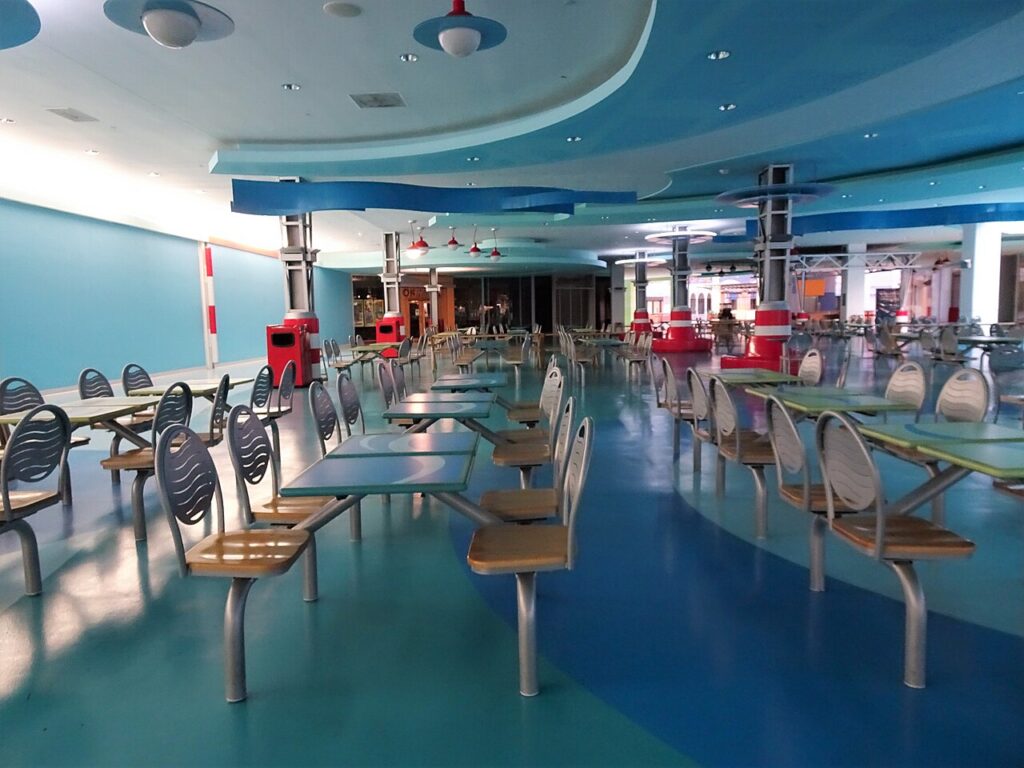
Large, multi-level complex with bold and unusual architecture (including flying pigs) that spent years in a semi-abandoned state, with vast empty wings and a distinctive, slightly surreal layout.
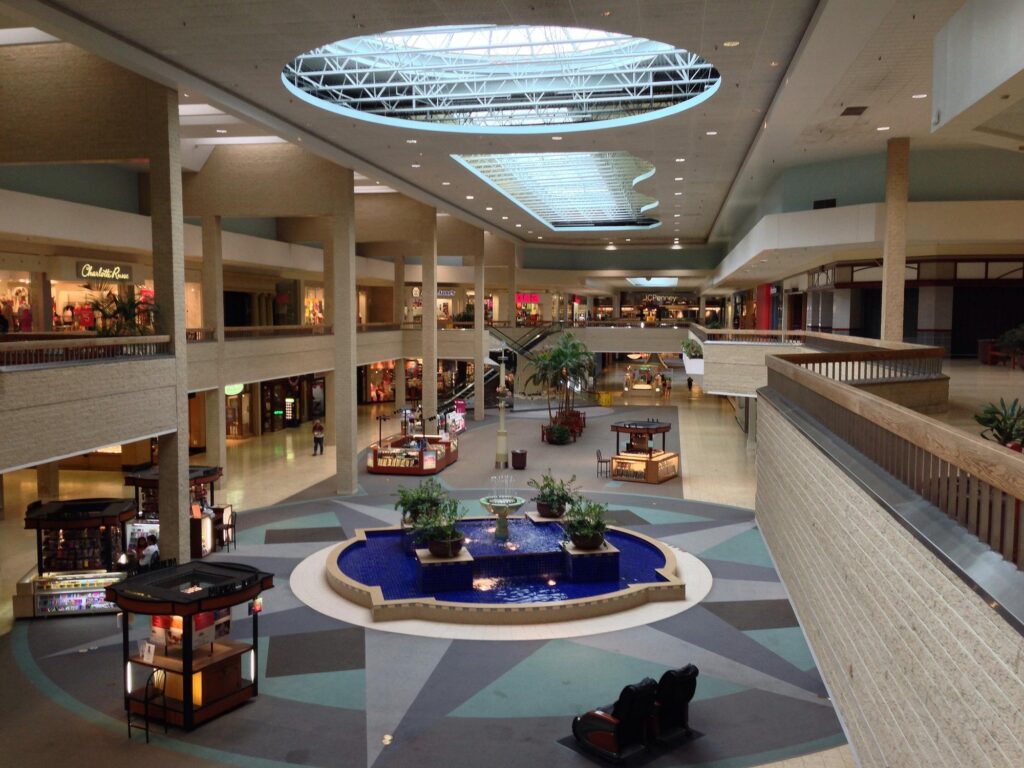
Once one of the largest malls in the world, that operated from October 1979 until its closure in February 2019, became a vast closed complex of empty corridors and atriums that became a landmark of the 2000s American retail decline.

Enormous, nearly empty, y2k mall with vast open corridors, dead escalators, and a sense of recent abandonment that feels especially uncanny.

Iconic Midwestern dead mall famous for its long empty corridors and the backrooms type feeling of a once-busy retail space, left behind.
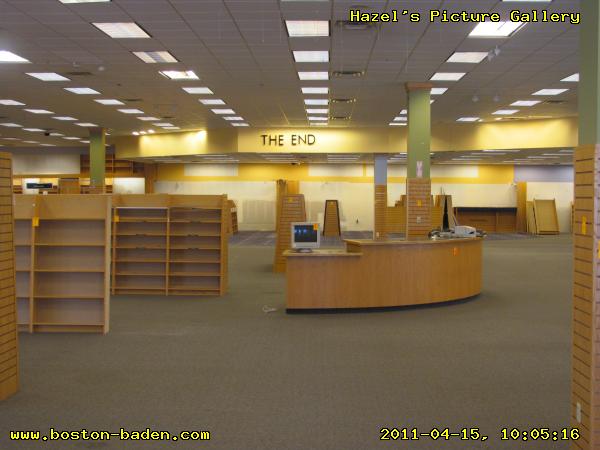
The former Borders book store in Yorba Linda, California that became famous for it’s liminal interior and ‘THE END’ signage, is now a Sprouts Farmers Market. The viral photo was taken in 2011.
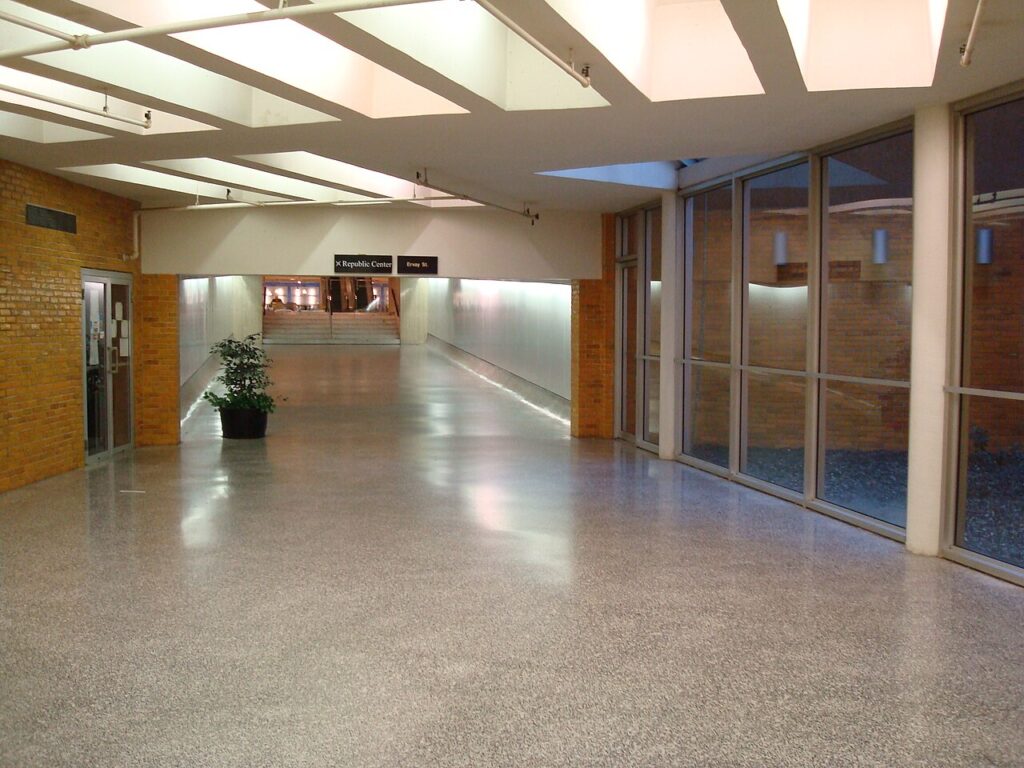
Extensive network of underground pedestrian tunnels beneath downtown Dallas, stretching across roughly three miles and 36 city blocks. A real-world “Backrooms” of long fluorescent corridors, shifting architectural styles, and near-empty walkways.